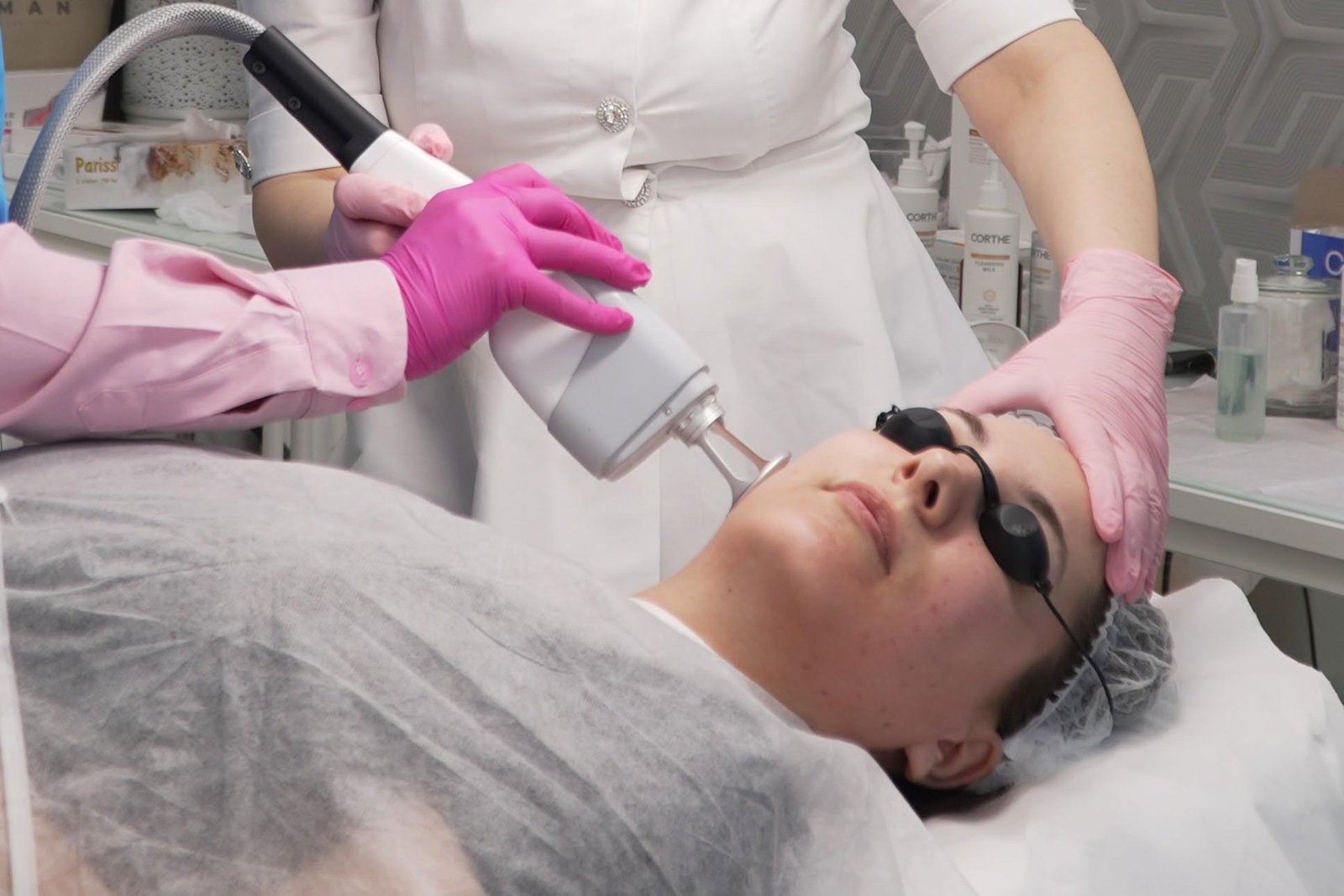
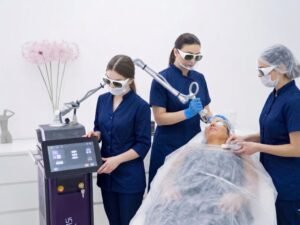
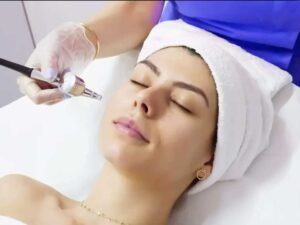
This specialisation pathway is oriented towards the use of the Erbium 1550 nm cosmetic laser in non-ablative treatments for skin regeneration and for improving skin quality. The approach is an institutional one, centred on understanding the mechanisms of action of the wavelength and on the controlled application of the procedures under safe conditions.
The advanced structure examines the interaction of the Erbium 1550 nm laser with the water in the tissues, the controlled thermal effects and the stimulation of dermal remodelling processes. It covers the indications specific to this technology, the limitations of the procedure and the criteria for selecting parameters according to skin type and the aesthetic objective pursued.
Within this educational pathway, the emphasis falls on correct assessment of the patient, adherence to protocols and the integration of the Erbium 1550 nm laser into non-invasive facial and body treatments. Students acquire competences applicable within a responsible professional framework, aligned with current standards in the field of aesthetics and laser technologies.
What you will learn on the course
the operating principles of the Erbium 1550 nm laser
laser–tissue interaction and the role of water in energy absorption
indications and contraindications of the procedure
the correct selection of working parameters
aesthetic applications for skin regeneration and texture
safety rules and the evaluation of results
Who this course is for
aesthetics specialists
practitioners who use laser technologies
professionals wishing to extend their competences
those interested in advanced non-ablative treatments
Professional benefits
correct and safe use of the Erbium 1550 nm laser
improvement of skin quality and texture
the integration of the procedure into modern aesthetic protocols
a higher level of technological competence
the alignment of practice with academic and professional standards
Course level
Intermediate – Advanced
Course type
Specialisation course